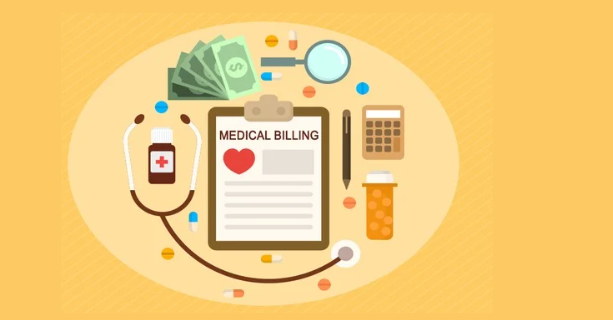
Medical billing plays a crucial role in detecting and preventing healthcare fraud. Here’s how it contributes to these efforts:
1. Accuracy and Compliance
Accuracy and compliance are fundamental to the role of medical billing in detecting and preventing healthcare fraud. Here’s how each aspect contributes:
Accuracy
- Correct Coding:
- Accurate coding of diagnoses and procedures ensures that services billed reflect the actual care provided. This reduces the likelihood of unintentional errors that can lead to fraudulent claims.
- Comprehensive Documentation:
- Detailed documentation of patient encounters supports the billed services. If claims are audited, clear documentation provides evidence that the services were necessary and rendered.
- Consistent Review Processes:
- Regularly reviewing billing practices helps identify discrepancies or patterns that may indicate fraud. Accurate records facilitate these reviews.
Compliance
- Regulatory Adherence:
- Compliance with laws such as HIPAA and the Affordable Care Act ensures that billing practices meet federal and state requirements. This reduces the risk of fraud and protects patient information.
- Training and Policies:
- Establishing policies and providing training on compliance helps ensure that all staff are aware of the legal standards for billing practices, promoting ethical behavior and accountability.
- Audit Trails:
- Maintaining a clear audit trail of billing activities helps organizations demonstrate compliance during investigations or audits, reinforcing the integrity of their practices.
2. Auditing and Monitoring
Identifying Anomalies
- Billing Patterns: Auditors analyze billing patterns to identify irregularities, such as unusually high claims for specific procedures or services that are not typically performed together.
- Comparative Analysis: Comparing billing data against national averages or similar healthcare providers can highlight discrepancies.
Verification of Services
- Documentation Review: Ensuring that all billed services are supported by adequate documentation. This includes checking patient records, treatment plans, and clinical notes.
- Coding Accuracy: Auditing the accuracy of procedure and diagnosis codes to prevent upcoding or down coding, which can signal fraudulent activity.
Data Analytics
- Predictive Analytics: Utilizing software tools to analyze large datasets can help identify trends and potential fraud before it escalates.
- Automated Monitoring Systems: Implementing systems that flag suspicious claims in real-time can enhance the speed of fraud detection.
Compliance Checks
- Regulatory Compliance: Ensuring adherence to regulations such as HIPAA and the Affordable Care Act. Non-compliance can be a red flag for fraud.
- Internal Policies: Regularly reviewing and updating internal billing policies to align with industry standards helps in preventing fraudulent practices.
3. Education and Training

Foundational Knowledge
- Understanding Regulations: Comprehensive training on healthcare laws, such as HIPAA and the False Claims Act, ensures that billing staff are aware of legal requirements and the implications of non-compliance.
- Billing Guidelines: Familiarity with payer-specific billing guidelines and documentation requirements helps prevent errors that could lead to fraudulent claims.
Accurate Coding Practices
- Coding Training: Regular training on coding systems (ICD, CPT, HCPCS) helps staff accurately assign codes and reduces the risk of up coding or down coding.
- Clinical Documentation Improvement (CDI): Teaching the importance of proper clinical documentation reinforces the need for accurate billing based on documented services.
Fraud Awareness and Detection
- Identifying Red Flags: Training programs can focus on recognizing indicators of potential fraud, such as unusual billing patterns or discrepancies between patient records and billed services.
- Case Studies and Scenarios: Using real-world examples during training helps staff understand the consequences of fraud and enhances their ability to spot suspicious activities.
4. Collaboration with Insurers
Data Sharing and Analysis
- Real-Time Data Exchange: Implementing systems for real-time data sharing between healthcare providers and insurers allows for immediate review and flagging of suspicious claims.
- Analytics Collaboration: Joint analytics initiatives can identify trends and patterns indicative of fraud, leveraging large datasets from both parties to improve detection capabilities.
Standardized Procedures
- Uniform Billing Guidelines: Collaborating with insurers to establish standardized billing procedures and guidelines can minimize confusion and reduce errors that might lead to fraud.
- Consistent Documentation Requirements: Agreement on documentation standards ensures that providers submit complete and accurate information, making it easier to spot discrepancies.
Fraud Prevention Training
- Joint Training Programs: Developing training programs that involve both insurers and healthcare providers can enhance understanding of fraud detection techniques and compliance requirements.
- Educational Resources: Insurers can provide resources and insights into common fraud schemes, helping providers stay informed and vigilant.
5. Technology Integration
Automated Claims Processing
- Error Reduction: Automated systems minimize human errors in claim submissions and coding, reducing the potential for fraud.
- Real-Time Verification: Technology enables real-time verification of patient eligibility and benefits, helping to prevent fraudulent claims before they are submitted.
Data Analytics and Machine Learning
- Pattern Recognition: Advanced analytics can identify unusual billing patterns and flag anomalies for further investigation, making it easier to spot potential fraud.
- Predictive Modeling: Machine learning algorithms can predict which claims are more likely to be fraudulent based on historical data, allowing for proactive monitoring.
Fraud Detection Software
- Integrated Solutions: Utilizing specialized software designed for fraud detection can help billing departments identify inconsistencies and suspicious activities.
- Alerts and Notifications: Systems that automatically generate alerts for unusual billing activities enable quick responses to potential fraud.
6. Legal and Ethical Framework
Regulatory Compliance
- Federal and State Laws: Adhering to laws such as the False Claims Act, Anti-Kickback Statute, and Stark Law is critical. These regulations establish clear guidelines for billing practices and outline penalties for fraudulent activities.
- HIPAA Compliance: Ensuring compliance with the Health Insurance Portability and Accountability Act (HIPAA) protects patient information and maintains the integrity of billing practices, reducing the risk of fraud.
Billing Standards and Guidelines
- Coding Compliance: Following established coding guidelines (ICD, CPT, HCPCS) is essential to ensure accurate billing. Misuse of codes can lead to fraud accusations.
- Payer-Specific Policies: Familiarity with and adherence to specific payer guidelines helps mitigate errors and ensures that claims are legitimate and substantiated.
Ethical Billing Practices
- Integrity in Billing: Medical billing professionals must commit to ethical standards, ensuring that all claims reflect the services provided and are fully supported by documentation.
- Avoiding Conflicts of Interest: Establishing policies to avoid conflicts of interest in billing practices helps maintain ethical integrity and prevents fraudulent activities.
Conclusion
Effective medical billing practices not only ensure financial viability for healthcare providers but also serve as a vital component in the broader strategy of fraud detection and prevention. By maintaining accurate records, engaging in regular audits, fostering collaboration, and leveraging technology, the healthcare system can better protect itself against fraudulent activities.


