Future of Medical Billing is undergoing a massive transformation, driven by technology and an evolving healthcare landscape. This crucial part of the healthcare system is responsible for managing the financial side of patient care, ensuring that healthcare providers receive payment for their services. As the industry advances, innovative solutions are emerging that promise to revolutionize medical billing, streamline processes, and enhance the patient experience

The Role of Automation and AI
Automation and artificial intelligence (AI) are at the forefront of the medical billing revolution. These technologies simplify time-consuming tasks such as claim submission, coding accuracy, and error detection. AI-driven systems can process large volumes of data, identify patterns, and automate repetitive tasks like billing follow-ups. This reduces human error, expedites reimbursement, and cuts down administrative costs, allowing healthcare providers to focus more on patient care.
For example, AI-powered predictive analytics can identify trends in claims data to detect potential issues before they occur. Machine learning models also assist in identifying fraudulent claims and help optimize revenue cycle management, enhancing the efficiency of the entire billing proces
EHR Integration for Seamless Data Flow
Electronic Health Record (EHR) integration with billing systems is another crucial development. It allows for a seamless flow of patient information between healthcare providers and billing departments
Patient-Centric Billing Systems
One of the most promising trends in the future of medical billing is the shift towards patient-centric systems. Traditionally, patients have found medical billing to be opaque and confusing, often leading to frustration over unexpected costs. With patient-centric billing, the focus shifts towards transparency, clear communication, and ease of use.
These systems aim to provide patients with an easy-to-understand breakdown of their medical costs, insurance coverage, and payment responsibilities. Personalized payment plans are also being developed, allowing patients to choose payment options that best suit their financial situations. This shift reduces billing disputes and enhances patient satisfaction, which in turn encourages timely payments and fosters better provider-patient relationships
Emerging billing systems aim to provide itemized, easy-to-understand bills that break down costs, helping patients avoid surprise medical bills. Additionally, these systems offer personalized payment plans, allowing patients to pay for their medical care in installments or through flexible options. By easing financial burdens, patient-centric billing encourages timely payments, improves patient satisfaction, and reduces billing disputes
Compliance and Security: Protecting Patient Data
The healthcare industry is highly regulated, and compliance with these regulations is a top priority in medical billing. The Health Insurance Portability and Accountability Act (HIPAA) mandates the secure handling of sensitive patient information, ensuring patient data is protected from unauthorized access.
Blockchain Technology for Data Security

Blockchain technology is making waves in healthcare, particularly in billing. In medical billing, blockchain can provide a secure, transparent, and immutable record of transactions between patients, providers, and insurance companies. By using blockchain, medical billing data is encrypted and decentralized.
The Impact of Machine Learning and Predictive Analytics
Machine learning (ML) and predictive analytics are set to revolutionize medical billing by offering more advanced data insights. These tools help identify billing patterns, detect errors, and even flag potential fraudulent activities before they become problematic. By analyzing vast amounts of historical billing data, predictive analytics can forecast trends in claims denials, improve coding accuracy, and help healthcare providers optimize their revenue cycles.
For example, ML algorithms can quickly analyze large datasets of patient records and claims, identifying discrepancies that may lead to delayed payments or claim denials. By detecting these issues early, healthcare providers can take corrective actions, ensuring a smoother billing process. Predictive analytics also helps healthcare organizations stay proactive by providing real-time insights into potential areas of revenue loss, allowing them to adjust billing strategies accordingly
Compliance and Regulatory Considerations
Compliance with regulations such as the Health Insurance Portability and Accountability Act (HIPAA) and other data privacy laws is essential for medical billing. As billing becomes increasingly digitized, ensuring that patient data is secure is more important than ever. Future billing systems will incorporate robust security measures, such as encryption and secure access controls, to protect sensitive patient information.Medical billing systems must also adhere to updated coding and documentation guidelines, ensuring that claims are accurately coded to prevent denials and audits. Continuous updates in regulatory compliance—such as changes in Medicare or insurance requirements—will need to be closely monitored by healthcare providers and billing professionals
Virtual Assistants and Automation in Billing Tasks
With the rise of virtual assistants and automated processes, many routine tasks in medical billing are becoming more efficient. Virtual assistants powered by natural language processing (NLP) can help billing professionals by handling tasks. Such as claim follow-ups, eligibility verification, and coding assistance. This frees up time for billing staff to focus on more complex tasks that require human judgment.
Virtual assistants can streamline communication between insurance companies, patients, and healthcare providers. For instance, these tools can automatically generate claim status updates, reducing the need for billing professionals to manually check each claim’s progress. Automation can also enhance accuracy in billing, reducing errors related to manual data entry
Interoperability and Standardization
Interoperability—the ability of different healthcare systems to communicate and exchange data—is a key future trend in medical billing. The healthcare industry is moving towards more standardized systems that can seamlessly share patient data between hospitals, clinics, insurance companies, and billing departments. Standardization improves the accuracy and efficiency of billing by minimizing discrepancies between different systems.
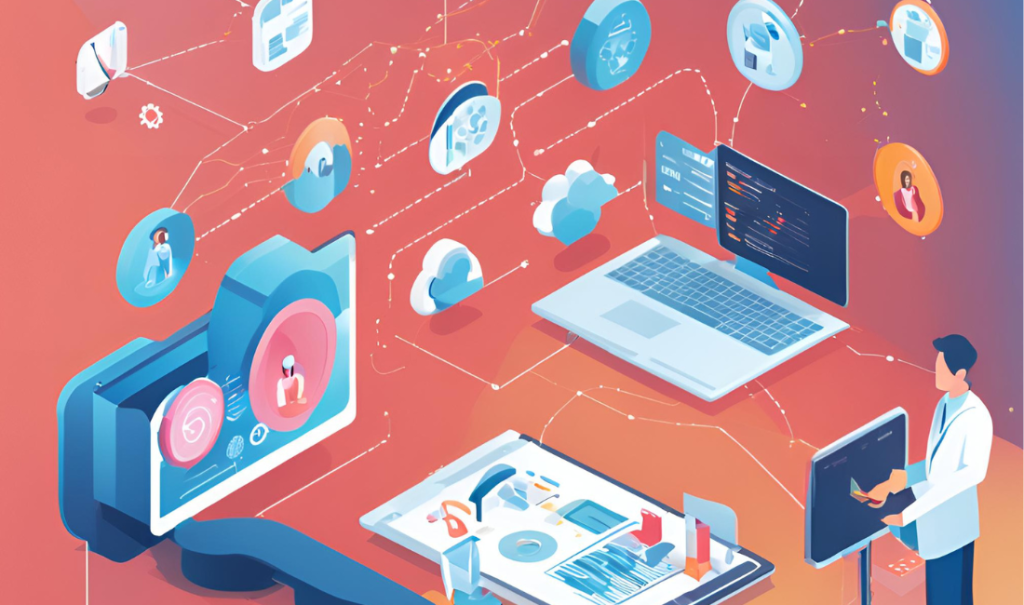
When various platforms can exchange data without compatibility issues, medical billers can process claims more efficiently, with fewer errors. Interoperability also helps reduce redundant paperwork and duplicate entries, saving time and resources
Continuous Education and Training for Billing Professionals
As the field of medical billing evolves, continuous education for billing professionals is essential. Staying updated on the latest technology trends, coding systems. Regulatory requirements ensures that professionals remain equipped to navigate the increasingly complex landscape of healthcare billing.
Ongoing training programs that focus on developing advanced coding skills, learning new billing software, and understanding emerging regulations can enhance a billing professional’s expertise. Many healthcare organizations are investing in training to ensure their teams can keep up with changes and continue to provide high-quality, efficient billing service
Conclusion
The future of medical billing promises a more streamlined, transparent, and efficient process for healthcare providers and patients alike. From the integration of automation and AI to the rise of patient-centric billing systems. The medical billing landscape is rapidly transforming. These advancements not only optimize healthcare administration but also ensure that providers receive timely payments. While offering patients a better, more transparent billing experience.
Embracing these changes is crucial for healthcare organizations to stay competitive and compliant in an industry that’s becoming more technologically driven every day. By adopting cutting-edge solutions and prioritizing patient engagement, medical billing will continue to evolve, benefiting all stakeholders involved


