
In today’s fast-paced healthcare environment, efficiency is key. From patient care to administrative tasks, healthcare providers are always looking for ways to streamline operations. One area where technology has made a significant impact is in medical billing. Medical billing software is not only improving efficiency but also transforming the way healthcare practices operate.
Increased Efficiency and Accuracy
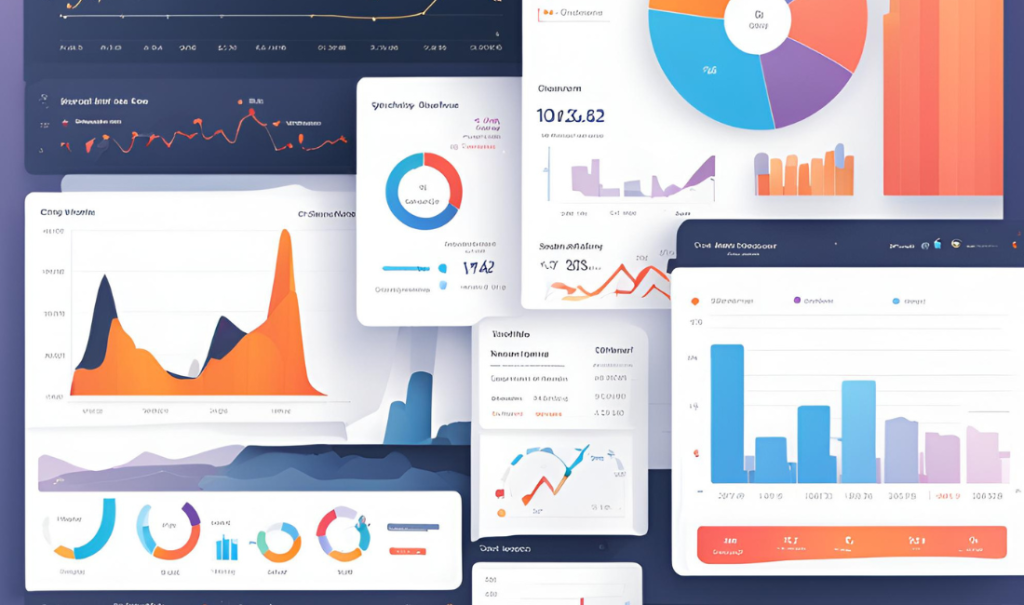
One of the most significant benefits of medical billing software is its ability to enhance both efficiency and accuracy. Traditional billing methods often involve manual data entry, which is prone to errors. .
Medical billing software automates many of these processes. It helps eliminate human error by using built-in checks to ensure that billing codes are correct and complete. This leads to fewer claim rejections, faster reimbursements, and ultimately a more stable cash flow for healthcare providers.
Faster Payment Processing
Billing software helps streamline the entire process, from claim submission to payment collection. By automating tasks such as patient data entry, claim generation, and submission, the time between providing services and receiving payment is reduced.
Many medical billing software solutions also offer integration with clearinghouses, allowing claims to be submitted electronically.
Streamlined Insurance Verification
One of the most time-consuming tasks for medical staff is verifying patient insurance information. With medical billing software, this process is automated, making it much faster and more accurate. The software can check patient eligibility in real-time, ensuring that the correct insurance information is applied to claims.
Compliance and Security

Cost Savings for Healthcare Practices
Although implementing medical billing software may seem like a large investment upfront; it leads to significant long-term savings. Automated billing processes reduce the need for additional staff to handle manual tasks, such as data entry and claim submissions.
The cost savings from streamlined operations, reduced errors, and faster payments help practices run more efficiently and profitably.
Automation of Administrative Tasks
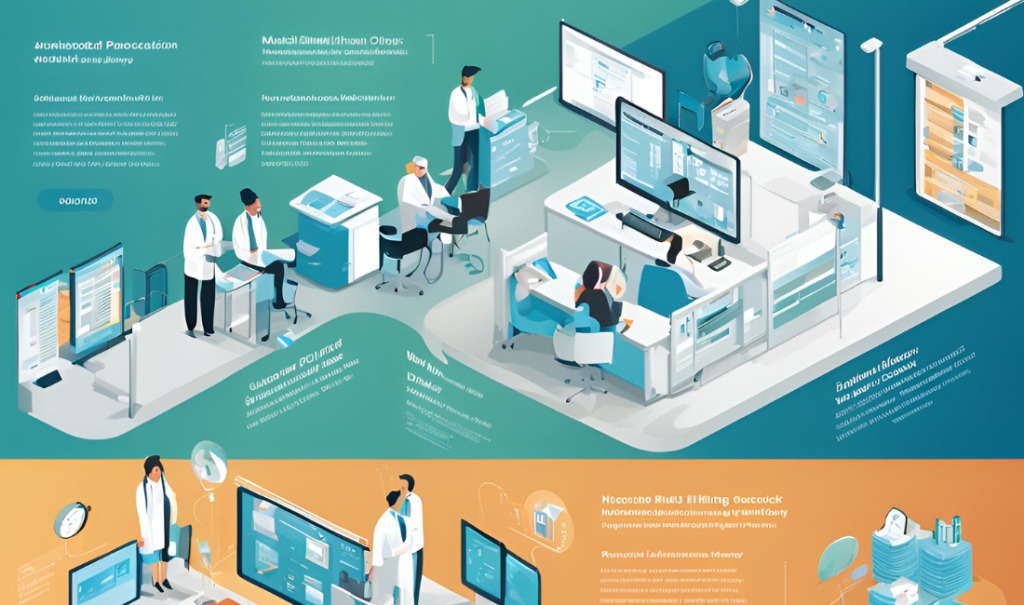
Medical billing software goes beyond just billing and payments; it plays a crucial role in automating many other administrative tasks within healthcare practices. Scheduling patient appointments, sending reminders, generating invoices, and tracking patient balances can all be automated using integrated software systems. This level of automation allows administrative staff to focus on higher-priority tasks like patient care and customer service.
Customization for Specialty Practices
Medical billing software isn’t one-size-fits-all. These systems come with specialty-specific billing codes and templates that ensure accurate coding and faster claim processing.
For instance, cardiology practices may need to handle detailed billing for complex diagnostic tests. Or procedures, while a mental health provider might need simplified coding for therapy sessions. By adapting to the specific needs of each practice. Billing software ensures that healthcare providers can focus on care delivery rather than administrative hassles.
Seamless Integration with EHR/EMR Systems
Medical Billing Software Is Transforming Healthcare Practices often integrates seamlessly with electronic health records (EHR) or electronic medical records (EMR) systems. This integration streamlines the entire patient journey—from the moment a patient schedules an appointment to the point when they pay for the service. When billing software is linked with EHRs, patient data (such as demographics, insurance details, and medical history) is automatically synced, eliminating the need for double-entry and minimizing errors.
Telemedicine Billing and COVID-19’s Influence
The COVID-19 pandemic has accelerated the adoption of telemedicine, and with it, the need for specialized telemedicine billing features. Medical billing software has adapted to this new reality by including telehealth-specific codes and functionality that allow providers to easily bill for virtual consultations. Telemedicine visits often involve different billing requirements compared to in person visits, especially when it comes to coding and reimbursements from insurance providers.
Challenges in Implementing Medical Billing
- Initial Setup Costs: While software solutions result in cost savings in the long run, the upfront investment can be a barrier for some practices. This includes not only the purchase of the software but also training staff and implementing the system.
- Staff Training: Staff members may need extensive training to get familiar with the new system, especially if they’re transitioning from manual or paper-based processes. It can take time for everyone to adapt to the new workflows, and there may be a temporary slowdown in productivity during the transition.
- Data Migration: Moving existing patient data from legacy systems to new software can be complex. Ensuring that no data is lost or misfiled during this migration process requires careful planning and execution.
Despite these challenges, the long-term benefits of improved efficiency, reduced errors, and faster payments outweigh the initial hurdles of adopting medical billing software.
Future Trends in Medical Billing Software

As technology continues to evolve, medical billing software is expected to see even more advanced features and capabilities that will further streamline healthcare operations. Some emerging trends include:
- Artificial Intelligence (AI) and Machine Learning (ML): AI and ML can analyze billing data to identify patterns, predict claim denials, and suggest corrective actions. These technologies can also automate more complex tasks, such as coding and compliance checking, making the billing process even more efficient and accurate.
- Cloud-Based Solutions: Cloud-based medical billing software is becoming increasingly popular due to its scalability, ease of access, and lower upfront costs. Cloud solutions allow healthcare providers to access their billing systems from anywhere, ensuring flexibility and security without the need for heavy IT infrastructure.
- Blockchain for Enhanced Security: Blockchain technology is being explored for use in medical billing to enhance data security and ensure that patient information is shared and stored securely. Blockchain could also help streamline claim submissions by providing a transparent, tamper-proof system for tracking billing data.
Conclusion:
Medical Billing Software Is Transforming Healthcare Practices is not just a tool—it’s a catalyst for the digital transformation of healthcare. As more practices adopt advanced software solutions, the entire healthcare ecosystem benefits from greater efficiency, accuracy, and patient satisfaction.
For healthcare practices looking to thrive in today’s competitive environment. Investing in cutting-edge medical billing software is no longer optional—it’s essential. As technology continues to evolve, medical billing systems will only become more sophisticated. Empowering healthcare providers to offer better, faster, and more efficient services.


