Medical bills can be confusing for many patients. Improve Patient Understanding of Medical Bills complex language, medical jargon, and unfamiliar terms can leave people feeling overwhelmed, especially when they’re already dealing with health issues. Improving patient understandig medical bills is crucial for reducing stress, ensuring timely payments, and maintaining a positive patient-provider relationship. Here are some effective strategies to make medical bills clearer and easier to understand.

Use Simple, Clear Language
The first step in improving patient understanding is simplifying the language used in medical bills. Avoid technical terms or abbreviations that a patient may not recognize. For instance, instead of listing a procedure as “CPT 99213,” label it as “General Check-Up – Office Visit.”
Tip: Use plain language instead of medical codes. If codes are necessary, provide an easy-to-read key or glossary explaining what they mean.
Provide a Detailed Breakdown
Patients often struggle to understand why they owe a specific amount. Providing a detailed breakdown of charges can help. Each service or item billed should be clearly listed, along with the associated cost. Grouping similar services together can also help make the bill easier to digest.
Example:
- Consultation: $100
- Blood Test: $50
- X-ray: $75
This way, patients can see exactly what they are paying for and can address any concerns more easily.
Include a Clear Summary of Benefits
A summary of benefits (SOB) helps patients understand what their insurance covers and what they owe out of pocket. This should be prominently displayed on the bill, outlining:
- Total amount billed
- Amount covered by insurance
- Patient’s share (copays, deductibles, etc.)
Tip: Add a section that explains insurance terms like “deductible,” “copay,” and “out-of-pocket maximum.” Many patients are unfamiliar with these terms, and a simple explanation can be very helpful.
Offer Visual Aids
Adding simple visual aids, such as charts or graphs, can make the bill easier to follow. For example, a pie chart showing how much of the bill was covered by insurance and how much is the patient’s responsibility can provide clarity at a glance.
Why It Works: Visuals break down complex information and give patients a quick snapshot of their financial obligations, making the bill seem less daunting.
Create a User-Friendly Layout
A cluttered, hard-to-read bill can frustrate patients. A user-friendly layout with clear headings, larger fonts, and plenty of white space can greatly improve readability. Break the bill into sections, such as:
- Services provided
- Insurance payments
- Patient responsibility
This makes it easier for patients to find the information they need without getting lost in a sea of text.
Explain Payment Options
Many patients are unaware of flexible payment options, such as payment plans or financial assistance programs. Clearly listing these options on the bill, along with contact information for customer service, can make patients feel more comfortable about addressing their financial responsibilities.
Tip: Add a section titled “Payment Options” that outlines how patients can pay their bill, whether it’s online, over the phone, or through a payment plan.
Provide Access to a Billing Hotline or Online Chat
Offering access to customer service through a billing hotline or online chat can greatly reduce confusion. Patients should feel empowered to ask questions and receive clear answers about their medical bills. Having these options easily accessible makes it more likely they will reach out for clarification, reducing the likelihood of unpaid bills or disputes.
Tip: Include a section at the bottom of the bill that says, “Need Help? Call us at [Phone Number] or Chat with Us Online at [Website].
Leverage Technology for Better Billing
Many healthcare providers now offer online billing platforms where patients can view itemized bills, track payments, and ask questions. This convenience can help reduce billing errors and allow patients to gain a better understanding of their charges.Why It Helps: An online portal allows patients to access their billing information at any time, giving them more control over their finances. It also offers an opportunity to explain each charge more thoroughly than a printed bill might allow.
Offer Educational Resources
Consider creating educational materials or videos that explain common billing terms, insurance procedures, and how to interpret a medical bill. These resources can be provided via your website, billing portal, or even included in the bill itself as a QR code linking to a helpful guide.
Tip: Make these materials easy to understand by avoiding overly technical language and focusing on step-by-step explanations.
Personalize the Billing Experience
Patients appreciate a more personal touch, especially when it comes to something as sensitive as medical bills. Including the patient’s name, a brief summary of their visit, and any personal details relevant to their billing can make the experience feel more customized and less like a generic transaction.
Example: Instead of just listing charges, a bill might say, “Thank you for your visit on October 1st for your routine check-up. Below is a breakdown of the services provided.”
Highlight the Importance of Timely Payments
Sometimes patients delay payments simply because they don’t fully understand the consequences. Clear, gentle reminders about the importance of paying on time can encourage prompt payments. Additionally, explain any late fees or penalties that may apply for overdue balances.
Tip: A sentence like “Avoid late fees by paying by [Due Date]” can serve as a helpful reminder without seeming too aggressive.
Encourage Feedback for Continuous Improvement
Include a section on the bill asking patients for feedback on the billing process. This could be a quick survey asking whether they found the bill easy to understand and if there’s anything that could be improved. This not only helps identify problem areas but also demonstrates a commitment to patient satisfaction.
Tip: A simple call to action such as, “We value your feedback! Let us know how we can improve by visiting [survey link]” adds a proactive touch to patient communication.
Transparency in Pricing
Providing patients with a pricing estimate before services are rendered can significantly reduce confusion and frustration when they receive their bill. While it’s not always possible to give exact numbers, a rough estimate of costs can help set expectations and reduce billing surprises.
Tip: Improve Patient Understanding of Medical Bills ; bhji0Add a note that explains how to request a cost estimate before appointments, so patients know they can inquire ahead of time.
Address Common Billing FAQs
Including a frequently asked questions (FAQ) section either in the bill itself or via a link to a web page can preemptively answer many common concerns. Cover topics like:
- “Why is my bill so high?”
- “What if I can’t pay my bill?”
- “What should I do if I think there’s a mistake on my bill?”
Example FAQ Section:
- Why am I being charged if I have insurance?
Your insurance may not cover 100% of the costs, so this bill reflects your share of the charges (copay, deductible, etc.).
Follow-Up Communications
A follow-up phone call or email reminding patients to review their bills and ask questions can help them feel supported. This also gives patients another opportunity to seek clarification if they’re unsure about any charges.
Tip: Improve Patient Understanding of Medical Bills Include a friendly reminder in an email saying, “We sent your recent bill on [Date]. Please reach out if you have any questions or concerns.”
Multilingual Billing Options
In diverse communities, offering bills in multiple languages can help bridge communication gaps. Patients who receive bills in their native language are far more likely to understand the charges and pay on time. This can reduce misunderstandings and improve patient satisfaction.
Tip: Improve Patient Understanding of Medical Bills Add a note on the bill that says, “Need this bill in another language? Call [Phone Number] to request it.”
Breakdown of Insurance Denials
Patients often get frustrated when they see unexpected charges due to insurance denials. It helps to include a brief explanation of why an insurance claim may have been denied. Providing guidance on how patients can appeal or resolve these issues also empowers them to take action.
Example:
“Your insurance provider did not cover the cost of [service] because it was deemed out-of-network. Please contact your insurance for details or to file an appeal.”
Use Educational Videos to Simplify Billing
If patients find it difficult to read through a paper or digital bill, providing access to short educational videos can help explain things visually. These videos can walk patients through understanding key parts of their bill, common terms, and how to dispute charges if necessary.
Tip: Improve Patient Understanding of Medical Bills include a QR code on the bill that links directly to a helpful video explaining how to read and understand a medical bill.
Focus on Preventative Billing Communication
Communicating billing information before treatment can set expectations early on. For instance, when a patient schedules a surgery or complex procedure, send them a billing overview explaining potential costs, insurance coverage, and their financial responsibility.
Why It Helps: This reduces billing shock and helps patients plan for payments in advance, making the final bill less overwhelming.
Utilize Patient Advocates or Billing Counselors
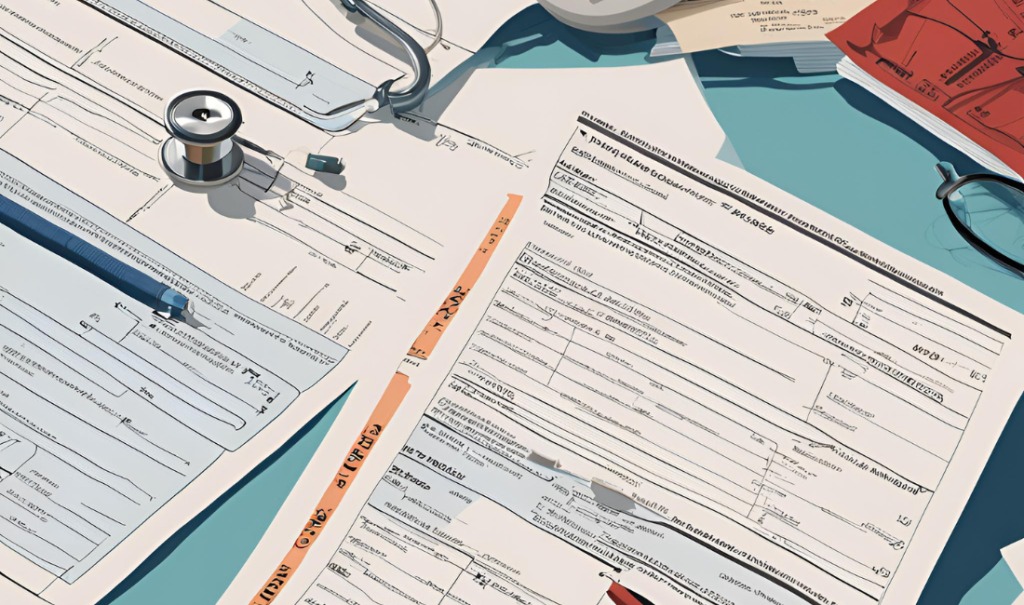
Having a patient advocate or billing counselor on staff can significantly improve understanding and satisfaction. These professionals can explain bills, answer questions, and even assist in setting up payment plans or working through insurance issues.
Tip: Include a call-out box on the bill: “Need help with your bill? Contact our billing counselor at [Phone Number] for assistance.”
By integrating these additional strategies, healthcare providers can offer even more transparency and support, further improving the patient experience and reducing the likelihood of confusion or disputes over medical bills.
Clarify Out-of-Network Charges
Out-of-network charges can be a significant source of confusion and frustration for patients. These charges often lead to higher bills because the patient’s insurance provider may cover less or none of the service costs. Including a section that clearly identifies which services were out-of-network and why they incurred higher costs can help.
Tip: Provide a brief explanation of the difference between in-network and out-of-network charges:
“Your insurance covers a higher percentage of services from providers within your network. Services from out-of-network providers may result in higher costs.

Create a Frequently Missed Charges Section
Patients often overlook certain charges that may appear on their medical bills, such as lab fees, facility charges, or additional physician consultations. Including a dedicated section in the bill that outlines these frequently missed charges helps to avoid confusion and ensures patients fully understand all the services they are being billed for.
Example:
“Facility Charge: This fee covers the use of our medical facility for your procedure, including equipment, staff, and operating room
Offer Flexible Due Dates
Giving patients more flexibility with payment due dates can make medical bills easier to manage. For example, if a bill’s due date falls just before or after a patient’s payday, it can create financial stress. Allowing patients to select their preferred due date within a specific time frame can enhance their ability to pay bills on time without feeling overwhelmed.
Tip: Clearly outline how patients can request a new due date or opt for one that better suits their financial situation.
Incorporate a “What to Expect” Billing Guide
Before patients receive any services, providing them with a “What to Expect” guide to medical billing can help demystify the process. This guide should include common billing terms, potential out-of-pocket expenses, and how the insurance claim process works. It can be distributed as a physical brochure during check-in or as an electronic document via email.
Why It Helps: By setting clear expectations up front, patients are less likely to be surprised or confused when the bill arrives
Offer Discounts for Early Payments
Some patients may be incentivized to pay their bills more quickly if there’s a financial benefit involved. Offering a small discount (e.g., 5-10%) for bills paid within a certain timeframe can motivate patients to settle their balances early, which improves cash flow for the healthcare provider.
Tip: Clearly state the discount on the bill: “Pay your bill within 14 days and receive a 5% discount!”
Send Friendly Payment Reminders
Patients can easily overlook bills due to busy schedules or misplaced paperwork. Sending gentle email or text message reminders a week before the payment due date can help them stay on top of their financial obligations without feeling pressured.
Tip: Use friendly language, such as: “Just a reminder: Your medical bill is due on [Date]. If you have any questions or need assistance, please contact u
Explain Emergency Room Billing
Emergency room visits often come with higher-than-expected bills, leading to patient confusion. Explaining the factors that affect emergency room billing, such as facility fees, physician fees, and additional tests, can help patients understand the breakdown of costs.
Example:
“Emergency room bills can include fees for the use of the facility, tests such as X-rays, and consultations with specialists. These charges may be higher due to the urgent nature of care.”
Make Bills Accessible for Patients with Disabilities
Patients with visual or hearing impairments may struggle with standard medical billing formats. Offering accessible versions, such as larger print, braille, or audio recordings, can ensure that all patients have equal access to their billing information.
Tip: Include a note on the bill: “If you need an accessible version of this bill, please contact us at [Phone Number] or [Email Address].
Explain the Billing Cycle Timeline
Patients are often unsure when they will receive their bill and when payment is expected. Providing a clear timeline of the billing cycle, from the time of service to the submission of insurance claims and final payment due date, can clarify the process and reduce anxiety.
Tip: Include a simple graphic or step-by-step explanation like:
- Date of Service: Your treatment took place on [Date].
- Insurance Processing: We submitted the claim to your insurance provider.
- Bill Sent: You received this bill on [Date].
- Payment Due: Your payment is due by [Due Date].
Highlight Financial Assistance Programs
Many healthcare facilities offer financial assistance programs for patients who are struggling to pay their medical bills. Unfortunately, many patients are unaware of these programs. By prominently highlighting available financial aid, discounts, or charity care options, providers can help ease the burden for low-income or uninsured patients.
Example:
“If you’re unable to pay your bill, you may qualify for financial assistance. Please call [Phone Number] to learn more about our financial aid programs.”Many healthcare facilities offer financial assistance programs for patients who are struggling to pay their medical bills. Unfortunately, many patients are unaware of these programs. By prominently highlighting available financial aid, discounts, or charity care options, providers can help ease the burden for low-income or uninsured patients.
Example:
“If you’re unable to pay your bill, you may qualify for financial assistance. Please call [Phone Number] to learn more about our financial aid programs.”
Provide Multichannel Support Options

Not all patients prefer phone calls to resolve billing issues. Offering multiple support channels, such as email, live chat, or text messaging, gives patients more flexibility in how they communicate about their medical bills. Some patients may feel more comfortable asking questions through digital platforms, while others may prefer a direct phone call.
Tip: Clearly display all support options on the bill, such as:
“Need help? Call us at [Phone Number], email us at [Email Address], or chat with us online at [Website].”
Post-Service Surveys on Billing Clarity
Once a patient has received and paid their bill, consider sending a short post-service survey asking for feedback on the billing clarity. Asking targeted questions, like “Was the bill easy to understand?” or “Did you feel informed about the charges?” Improve Patient Understanding of Medical Bills
Why It Helps: Gathering direct feedback from patients allows healthcare providers to continually refine and simplify their billing processes, improving overall patient satisfaction.
Transparency in Out-of-Pocket Maximums
Patients often don’t understand how their out-of-pocket maximums impact their billing. Providing a simple explanation of how close they are to reaching their out-of-pocket maximum and how that affects future bills can offer clarity. For example, if a patient has nearly reached their maximum, the provider can include a note stating how much they’ve paid so far and what they can expect moving forward.
Tip: Use a visual bar or graph to show how much of the patient’s out-of-pocket maximum has been met.
Explain Coordination of Benefits (COB)
If a patient has multiple insurance providers, explaining the coordination of benefits (COB) process is essential. Many patients don’t understand how claims are processed between primary and secondary insurers, which can lead to confusion over which insurance paid what and why there are still outstanding charges.
Tip: Include a section that briefly explains:
“Coordination of Benefits: If you have more than one insurance provider, this process determines which one pays first. Here’s how it worked for your bill…
Set Up Automated Recurring Payments
For patients with ongoing medical treatments or chronic conditions, receiving and paying multiple bills can be cumbersome. Offering an automated, recurring payment option can simplify the process and provide peace of mind. This option allows patients to set up automatic withdrawals from their account for each billing cycle, reducing the risk of missed payments.
Tip: Add an option on the bill for patients to opt-in for recurring payments with a simple sign-up link or form.
By incorporating these additional ideas into your approach to medical billing, healthcare providers can offer a comprehensive, patient-friendly billing experience. This not only improves the patient’s understanding of their medical expenses but also strengthens trust and reduces billing-related stress.
Conclusion:
Improving patient understanding of medical bills not only benefits the patient, but also helps healthcare providers by reducing confusion, disputes, and delayed payments. By using clear language, providing detailed breakdowns, leveraging technology, and offering customer support, healthcare providers can make the billing process smoother for everyone involved.
In today’s healthcare environment, clarity and transparency are key to ensuring patients feel empowered and informed about their financial responsibilities. A well-structured, easy-to-read medical bill is a big step in the right direction.


