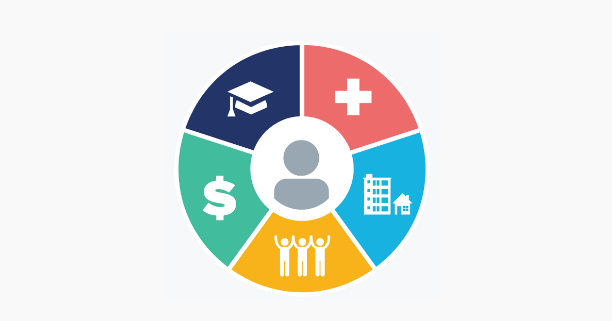
The impact of socioeconomic determinants of health (SDOH) on medical billing and collections has been acknowledged by the healthcare sector more and more in recent years. These factors, which include neighborhood environment, social and cultural context, education, economic stability, and access to health care, influence not only health but also how individuals interact with healthcare institutions, including medical billing and collections procedures.
Understanding Social Determinants of Health (SDOH)
Social determinants of health encompass a wide range of factors that influence individual and community health. They include:
- Economic Stability: Income level, employment status, and financial resources.
- Education Access: Literacy rates, educational attainment, and health literacy.
- Healthcare Access and Quality: Availability of services, insurance coverage, and quality of care.
- Neighborhood and Built Environment: Safe housing, transportation access, and environmental conditions.
- Social and Community Context: Social support networks, community engagement, and discrimination.
These elements have a big impact on a patient’s willingness to interact with the healthcare system and their capacity to pay medical expenditures.
How SDOH Affect Medical Billing and Collections

1. Access to Insurance and Financial Resources
Lack of Health Insurance:
Patients without health insurance or with insufficient insurance coverage often face financial barriers to accessing healthcare. When a patient lacks insurance, or their insurance doesn’t cover certain services, providers may struggle to collect full payment for services rendered. This can increase the complexity of billing, requiring additional steps to identify payment sources, such as government programs (Medicaid/Medicare), charity care programs, or sliding scale fees.
Underinsurance:
Many patients may have insurance, but it may not cover all healthcare services or the entirety of a treatment plan. This can leave the patient with significant out-of-pocket costs that they may not be able to pay, creating difficulties for providers in collecting outstanding balances.
2. Health Literacy
Understanding of Bills and Payment Responsibilities:
Patients with limited health literacy may not fully understand their medical bills, insurance coverage, or payment obligations. This confusion can delay or prevent timely payments, leading to issues with collections. Providers may need to take additional steps to explain the bill, insurance coverage, and payment plans, which can increase administrative costs.
Complexity of Billing Systems:
The intricacy of medical billing codes, insurance requirements, and copayments can be overwhelming for patients who do not understand the system. They may miss payments or become frustrated with the process, resulting in collections challenges.
3. Income and Socioeconomic Status
Ability to Pay:
A patient’s income directly influences their ability to pay medical bills. Low-income patients may not have the financial means to cover medical expenses, even if they have insurance. This can lead to unpaid or underpaid bills, which providers may need to send to collections or negotiate payment plans.
Financial Assistance:
Many healthcare providers offer financial assistance programs based on income levels. Patients who qualify may have their bills reduced or waived, but providers need to verify eligibility and manage these programs, which adds complexity to the billing process.
4. Employment and Job Stability
Employment-Linked Insurance:
For many people, health insurance is tied to their employment status. Job loss, underemployment, or changes in employment can disrupt insurance coverage, leading to periods of being uninsured or underinsured. In these situations, patients may be unable to pay their medical bills, creating issues for medical practices and hospitals in terms of collections.
Time Off for Medical Care:
Patients who are unable to take time off from work for medical care due to financial pressures may delay seeking necessary treatment. This can lead to worsened health conditions and, when treatment is eventually sought, more complex or expensive care. The higher cost of treatment may increase the amount billed, making it harder for patients to pay, especially if their financial situation hasn’t improved.
5. Transportation and Geographic Access
Missed Appointments:
Transportation difficulties, particularly in rural or underserved urban areas, can prevent patients from attending medical appointments. Missed appointments or delayed care often led to more expensive treatments later, increasing the overall cost of care. This may also impact the accuracy of billing, as charges for missed appointments or rescheduled treatments must be handled in billing systems.
Medical Debt from Frequent Visits:
Patients in areas with poor healthcare access may require more frequent or urgent care, leading to a higher overall medical bill. Those who face transportation or geographic barriers may also have trouble managing multiple appointments, which can increase the financial burden and complicate collections efforts.
6. Mental Health and Behavioral Factors
Stress and Health Management:
Patients under financial stress due to medical debt or other social determinants (e.g., housing instability) may have difficulty managing their health, leading to higher utilization of healthcare services. Mental health conditions, including depression or anxiety, may also impact a patient’s ability to engage in financial matters, including understanding or paying bills.
Delayed Payment Due to Mental Health Challenges:
Patients with mental health struggles may also find it more difficult to keep track of their medical bills, respond to collection notices, or negotiate payment plans. This increases the risk of unpaid bills and extended collection processes.
7. Cultural and Language Barriers
Communication Barriers:
Patients from diverse linguistic and cultural backgrounds may face challenges in understanding medical billing, insurance policies, and their responsibilities. Miscommunication or lack of translated materials can result in delayed payments or the inability to resolve billing disputes efficiently.
Cultural Stigma:
In some cultures, there may be stigma around certain types of care (e.g., mental health services or reproductive health), which could lead to avoidance of necessary services. When care is delayed, it can result in higher medical bills or complications that may make collection more difficult.
Strategies for Addressing SDOH in Billing and Collections
1. Enhance Financial Counseling Services
Healthcare organizations should offer financial counseling to help patients understand their bills and navigate insurance coverage. This can involve:
- Providing clear, easy-to-understand billing statements.
- Training staff to assist patients in identifying financial aid options.
2. Implement Flexible Payment Options
Patients with different financial circumstances might be accommodated by providing various payment arrangements. Some strategies are:
- Sliding scale payment options based on income.
- Installment plans that allow patients to pay overtime.
3. Invest in Patient Education
Patients can interact with their healthcare more successfully if they have greater health literacy. Initiatives for education could include:
- Workshops on understanding medical bills and insurance.
- Distribution of clear, accessible information about financial resources available.
4. Leverage Technology for Communication
Utilizing technology can enhance communication with patients. Organizations can:
- Use automated reminders for appointments and payments.
- Implement online portals for patients to access their billing information easily.
5. Collaborate with Community Organizations
Outreach initiatives can be strengthened by collaborating with neighborhood groups that deal with social determinants of health. This partnership could entail:
- Referring patients to community resources for financial assistance.
- Engaging in community education efforts to raise awareness about healthcare access.
Conclusion
Social determinants of health have a significant and complex influence on medical billing and collections. Healthcare organizations can increase patient satisfaction, streamline billing procedures, and ultimately promote better health outcomes by identifying and resolving these concerns. Patients gain from the implementation of focused measures that address the particular difficulties presented by SDOH, and healthcare providers’ financial stability is also improved. A more equitable healthcare system will require an understanding of how SDOH and billing practices interact as the sector develops.


