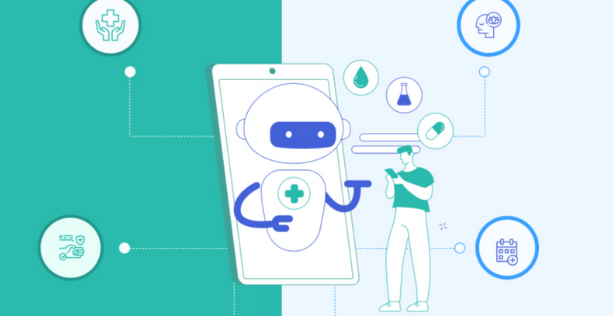
AI-powered chatbots are transforming medical billing customer service in several impactful ways:
Efficiency and Speed:
AI-powered chatbots enhance efficiency and speed in medical billing customer service through several key mechanisms:
Streamlined Processes:
Chatbots can guide users through complex billing procedures, such as setting up payment plans or understanding insurance claims, making these processes faster and more intuitive.
Instant Responses:
Chatbots can provide immediate answers to common billing inquiries, such as payment due dates, account balances, and insurance coverage, reducing the time patients spend waiting for information.
24/7 Availability:
Unlike traditional customer service representatives, chatbots are available around the clock. This means patients can get assistance outside of normal business hours, improving access to support.
Quick Resolution of Queries:
Many billing issues can be addressed through predefined responses or automated processes, allowing chatbots to resolve simple questions without needing to escalate them to a human agent.
Cost Reduction:
Lower Labor Costs:
By automating routine inquiries and tasks, chatbots reduce the need for a large customer service workforce. This can lead to significant savings on salaries, benefits, and training expenses.
Reduced Overhead:
With fewer staff needed for handling basic inquiries, healthcare organizations can lower operational costs associated with office space, equipment, and utilities.
Minimized Training Expenses:
Training new employees can be costly and time-consuming. Chatbots require initial setup and occasional updates, but they don’t need extensive ongoing training, which helps save costs in the long run.
Increased Productivity:
By handling simple tasks, chatbots allow human staff to focus on more complex issues, improving overall productivity and reducing the time spent on low-value interactions.
Accuracy:
Consistent Information:
Chatbots deliver standardized responses based on accurate, up-to-date data. This consistency minimizes discrepancies that can occur with human representatives who might provide varying answers.
Data Validation:
Chatbots can verify patient information and billing details in real time, ensuring that the data being processed is accurate and up to date. This helps reduce errors in billing and claims submission.
Integration with Systems:
Chatbots can be integrated with electronic health record (EHR) systems and billing platforms, allowing them to access accurate patient data and billing history, leading to more reliable interactions.
Personalization:
User Data Integration:
Chatbots can access patient profiles, including billing history, payment preferences, and past interactions. This allows them to tailor responses based on individual patient needs and contexts.
Customized Communication:
By analyzing past interactions, chatbots can offer personalized greetings and responses, making patients feel valued and understood. This approach fosters a more engaging experience.
Proactive Outreach:
Chatbots can initiate contact based on important milestones, such as upcoming due dates or changes in insurance coverage, ensuring patients receive timely and relevant information.
Scalability:
Handling High Volumes:
Chatbots can simultaneously manage thousands of inquiries, making them highly effective during peak times—such as open enrollment periods or after policy changes—without the need for additional staffing.
Rapid Deployment:
Implementing chatbots can be relatively quick, allowing healthcare organizations to scale their customer service capabilities rapidly in response to growing patient populations or increased demand for services.
Consistent Performance:
Regardless of the volume of inquiries, chatbots maintain consistent performance levels, ensuring that every patient receives prompt attention and reducing the risk of service delays.
Patient Engagement:
Instant Access to Information:
Chatbots provide immediate responses to billing inquiries, empowering patients to find the information they need quickly without having to navigate long wait times or complex phone menus.
Proactive Communication:
Chatbots can send reminders for upcoming payments, due dates, or important changes in billing policies. This proactive engagement keeps patients informed and encourages timely actions.
Personalized Interactions:
By accessing patient data and history, chatbots can tailor conversations to individual needs, making interactions feel more relevant and fostering a sense of connection.
Support for Staff:

Automating Routine Tasks:
Chatbots handle common inquiries and tasks, such as answering FAQs about billing, payment processes, and insurance details. This automation allows staff to focus on more complex issues that require human intervention.
Reducing Workload:
By managing high volumes of straightforward inquiries, chatbots decrease the overall workload for customer service representatives, preventing burnout and improving job satisfaction.
Conclusion:
In summary, AI-powered chatbots enhance the medical billing customer service experience by making it more efficient, cost-effective, and user-friendly, ultimately benefiting both patients and healthcare providers.


