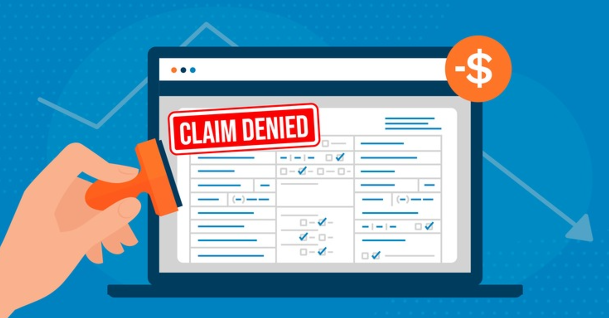
Medical claim denials are a prevalent challenge within the healthcare system, affecting both healthcare providers and patients alike. When claims are denied, it means that the payment for a healthcare service is not authorized by the insurance company, typically due to errors, lack of required information, or policy limits. These denials can disrupt healthcare providers’ revenue cycles and lead to increased out-of-pocket costs, delays, and emotional stress for patients. Understanding the effects of claim denials can help providers streamline processes to minimize denials, ultimately improving patient experience and financial health for the providers themselves.
Why Medical Claims Get Denied
There are various reasons a medical claim might be denied. Some of the common reasons include:
- Incomplete or Inaccurate Information: A missing diagnosis code, incorrect patient information, or incomplete submission can result in an immediate denial.
- Policy Exclusions: Sometimes, patients seek services not covered by their policy, leading to denials.
- Lack of Preauthorization: Many insurance policies require preauthorization for specific procedures, and a lack of this documentation often results in denial.
- Late Submissions: Filing claims beyond the insurance company’s deadline is a common cause of denial.
Understanding the reasons behind denials can help both providers and patients avoid preventable issues. Implementing effective documentation and claim submission practices can greatly reduce the chances of a denial.
Financial Impact on Healthcare Providers
Claim denials can create a significant financial burden for healthcare providers. When claims are denied, the reimbursement process is delayed, creating cash flow problems and administrative expenses as staff members must resubmit or appeal these claims. Additionally, many smaller practices may lack the resources to manage complex billing processes, making them particularly vulnerable to financial strain caused by claim denials. Some specific impacts include:
- Revenue Loss: Each denied claim represents a potential loss in revenue, and repeated denials can affect a provider’s bottom line.
- Increased Administrative Costs: Providers must dedicate resources to tracking and appealing denied claims, which diverts staff time and increases administrative costs.
- Patient Relations: Providers may need to pass on some of the financial burden to patients, potentially straining the provider-patient relationship and discouraging patients from seeking necessary medical care.
Efficient revenue cycle management (RCM) practices can help mitigate these financial impacts by proactively addressing potential denial causes.
Impact on Patients
For patients, a denied claim can mean unexpected out-of-pocket expenses or even the inability to proceed with necessary treatment. Patients may face:
- Higher Financial Burden: If a claim is denied, the cost is often transferred to the patient. This can be a major financial strain, particularly for those without sufficient savings or insurance coverage.
- Treatment Delays: When claims are denied, patients may hesitate to proceed with care or wait until the denial is resolved, potentially delaying treatment.
- Emotional and Psychological Stress: The stress of navigating claim denials can take a toll on patients, particularly those with chronic or severe health conditions.
Claim denials can discourage patients from pursuing follow-up treatments or future healthcare services, which may lead to deteriorating health conditions. Educating patients about their coverage and assisting with the appeals process can help minimize these negative outcomes.
How Providers Can Reduce Medical Claim Denials
Healthcare providers can take several steps to reduce the frequency of claim denials, improving both patient satisfaction and revenue flow. Some key strategies include:
- Improve Documentation Accuracy: Ensuring that patient information and diagnoses are accurately documented reduces the risk of denials.
- Streamline Preauthorization Processes: Creating a standardized process for obtaining necessary preauthorization’s can help prevent denials due to authorization issues.
- Educate Patients on Insurance Policies: Proactively educating patients about what their insurance covers can help avoid misunderstandings and reduce denials for non-covered services.
- Invest in Revenue Cycle Management: Implementing a comprehensive RCM system can help providers track claims, identify patterns in denials, and reduce processing errors.
By adopting these practices, providers can significantly reduce the likelihood of denials, ensuring smoother operations and better patient experiences.
The Types of Medical Claim Denials and Their Consequences
Medical claim denials typically fall into two categories: soft denials and hard denials. Each type has unique consequences for healthcare providers and patients.
- Soft Denials: These are temporary denials that can potentially be corrected and resubmitted. Common reasons for soft denials include minor documentation errors or missing preauthorization. While soft denials can be reversed, they require additional administrative work to resubmit, leading to time delays and increased costs. For healthcare providers, even soft denials can disrupt cash flow and increase operational costs, especially if they accumulate.
- Hard Denials: These are claims that cannot be corrected and resubmitted, often due to non-covered services or missed filing deadlines. Hard denials can lead to outright loss of revenue for providers and are often passed on to patients, increasing their financial responsibility. They may also have long-term implications on patients’ willingness to pursue future treatments, particularly if they feel unprepared or unsupported in managing these costs.
The Broader Economic Impact of Medical Claim Denials

The financial implications of medical claim denials extend beyond individual providers and patients to the entire healthcare system. Denials add strain on healthcare resources and lead to increased costs at every level. According to a recent study by the American Medical Association, the average denial rate for healthcare providers is around 5-10%, but in some sectors, it can be as high as 15% or more. This means billions of dollars are tied up in unpaid claims annually, contributing to:
- Higher Insurance Premiums: Denials and the resulting reprocessing or appeal costs lead to higher administrative expenses for insurers. These costs are often passed on to consumers through increased premiums.
- Increased Healthcare Costs: As providers invest more in denial management and revenue cycle systems, these additional expenses contribute to the overall cost of healthcare.
- Reduced Access to Care: High denial rates discourage patients from seeking care, particularly preventive services, which can increase the need for more expensive emergency or chronic care services down the line.
Strategies for Healthcare Providers to Combat Claim Denials
Given the widespread impact of medical claim denials, providers are increasingly adopting proactive strategies to reduce their occurrence. Some of the most effective methods include:
- Using Data Analytics to Predict Denials: By analyzing historical data, providers can identify common denial patterns and adjust practices accordingly. Advanced analytics can help in predicting which claims are likely to be denied, allowing providers to address potential issues before submitting claims.
- Investing in Staff Training and Education: Denial management starts with staff education. Training administrative staff on proper coding, billing practices, and documentation requirements can significantly reduce avoidable errors, minimizing claim denials.
- Implementing Advanced Technology Solutions: Technology solutions like AI-powered coding assistance, automated verification processes, and RCM software are becoming essential tools. These systems can catch errors in real-time, ensuring that claims are accurately completed before submission.
- Creating a Patient-Centric Communication Strategy: Providers can empower patients by helping them understand their insurance coverage and financial responsibilities. Simple, clear communication about potential out-of-pocket costs and insurance procedures reduces confusion and fosters trust. Providing patients with online portals where they can review claims and get assistance also improves transparency.
The Role of Insurance Companies in Reducing Claim Denials
While healthcare providers bear much of the burden, insurance companies play an equally significant role in preventing claim denials. Some insurance companies are partnering with healthcare providers to improve the claims process, offering resources like preauthorization assistance and real-time eligibility checks. Key initiatives by insurers that can help reduce claim denials include:
- Streamlining the Preauthorization Process: By simplifying preauthorization requirements and making them transparent, insurers can reduce the number of claims denied due to lack of authorization. Automated preauthorization tools also allow providers to check authorization requirements quickly.
- Improving Clarity in Coverage Policies: Many claim denials result from a lack of clarity regarding what services are covered. Insurers can make their coverage policies easier to understand, providing clearer guidelines for both providers and patients.
- Offering Real-Time Claim Feedback: Insurance companies that provide real-time feedback on claim submission can help providers correct errors immediately, reducing the need for resubmissions and minimizing delays.
Practical Tips for Patients Facing Claim Denials
For patients, understanding how to handle claim denials is essential in managing healthcare costs and maintaining access to necessary treatments. Here are some practical steps for patients facing a denial:
- Review the Explanation of Benefits (EOB): The EOB provided by the insurer outlines the reasons for denial. By carefully reviewing it, patients can understand the reason for the denial and whether it can be appealed./
- Seek Support from Healthcare Providers: Many healthcare providers have billing departments or patient advocates who can assist with denied claims, helping patients navigate the appeal process and communicate with insurers.
- File an Appeal: If the denial appears to be based on an error or insufficient information, patients can submit an appeal to the insurance company. Gathering documentation, including medical records and letters of support from healthcare providers, can strengthen the appeal.
- Request an External Review: If an appeal is unsuccessful, patients may have the option to request an independent, external review, which can provide an unbiased assessment of the denied claim.
Moving Toward a Collaborative Approach in Healthcare Claims
Ultimately, reducing the impact of medical claim denials requires a collaborative approach involving patients, providers, and insurers. By investing in preventative measures, leveraging technology, and promoting transparency, the healthcare system can create a more efficient claims process that benefits everyone involved. Improved claim processing leads to fewer denials, faster reimbursements, and reduced stress for patients, paving the way for a more accessible and patient-centered healthcare experience.
Key Takeaways
- For Healthcare Providers: Invest in robust RCM processes, staff training, and technology to reduce administrative errors and denial rates.
- For Insurance Companies: Streamline preauthorization and clarify policy details to prevent unnecessary denials.
- For Patients: Understand your insurance coverage, seek provider support, and know your appeal rights to minimize the impact of denials.
Reducing claim denials isn’t just about the financial bottom line; it’s about fostering trust and ensuring that all parties in the healthcare process—providers, patients, and insurers—can work together effectively. As denial rates decrease, healthcare can become more affordable, accessible, and supportive, benefiting the entire community.
The Psychological and Health Implications of Medical Claim Denials for Patients
Beyond the financial impact, medical claim denials can have significant psychological and health implications for patients. The stress associated with denied claims often leads to feelings of frustration, helplessness, and anxiety, which can be particularly taxing for patients managing serious health conditions. Some specific impacts include:
- Increased Stress and Anxiety: Patients already facing medical challenges may experience heightened anxiety when claims are denied, especially if they feel uncertain about their ability to pay for needed treatments.
- Risk of Delayed or Foregone Treatment: Patients might delay or even forego essential care while they navigate the denial process, potentially worsening their health condition. Studies have shown that delays in treatment can increase the likelihood of complications, decrease overall health outcomes, and lead to longer recovery times.
- Impact on Mental Health: The emotional toll of medical claim denials can compound over time, particularly for those dealing with chronic illnesses. Patients facing frequent denials may experience depressive symptoms or chronic stress, which in turn may worsen their physical health and lead to a cyclical impact on their overall wellbeing.
By offering better support systems and clear guidance, healthcare providers can help mitigate these effects, reassuring patients and helping them navigate the complex world of insurance and claim appeals.
Medical Claim Denials and Their Effects on Provider-Patient Relationships
When patients experience repeated claim denials, it can strain their relationship with healthcare providers. In many cases, patients may blame their providers for the issues, especially if they feel uninformed about the process or believe they weren’t given enough support. This strain can manifest in several ways:
- Reduced Trust in Healthcare Providers: Patients who feel unsupported may begin to lose trust in their healthcare providers, perceiving them as more concerned with finances than patient care.
- Lower Patient Retention Rates: A poor experience with medical claims can make patients hesitant to return to the same provider for future services. High denial rates may contribute to lower patient retention, ultimately affecting the provider’s long-term revenue.
- Decreased Patient Satisfaction: Patients expect healthcare providers to offer seamless experiences, including support with insurance claims. Denied claims can leave patients feeling frustrated, reducing their overall satisfaction with the healthcare provider.
To counter these negative effects, healthcare providers should prioritize transparent communication, providing patients with clear expectations and guidance on insurance policies and possible out-of-pocket costs. Providers can also leverage patient feedback to continually improve their administrative processes and claim support systems.
Industry Trends in Addressing Medical Claim Denials

The healthcare industry is increasingly recognizing the need for improved claim management strategies, driven by the rising costs of claim denials and the growing demand for efficient healthcare processes. Several industry trends are reshaping the approach to medical claim denials:
- Adoption of Artificial Intelligence (AI) and Machine Learning: Many healthcare organizations are beginning to use AI-driven tools to detect potential errors and ensure correct claim submission from the start. AI can analyze historical claims data to predict denial risks, allowing providers to proactively address issues before submission.
- Telemedicine and Virtual Consultations: With the rise of telemedicine, insurance claim requirements and coding have become more complex, leading to new types of denials. However, as providers gain experience with these formats, more accurate coding and documentation are helping to reduce denial rates.
- Emphasis on Value-Based Care: The shift towards value-based care, which rewards providers based on patient health outcomes rather than the volume of services, is pushing insurers to collaborate more closely with healthcare providers. This trend is encouraging insurers to offer better guidance on coverage requirements, which helps prevent denials and enhances patient outcomes.
- Patient Self-Service Tools: Many healthcare organizations are implementing self-service portals where patients can verify coverage, track claims, and access resources to understand and dispute denials. These tools empower patients with information, reduce confusion, and make the denial process less overwhelming.
Legal Rights and Protections for Patients Facing Medical Claim Denials
Patients should be aware of their legal rights when dealing with claim denials. Knowing these rights can empower patients to advocate for themselves and access necessary care:
- Right to Appeal: Under the Affordable Care Act (ACA), patients have the right to appeal denied claims both internally (with the insurance company) and externally through an independent review. Patients should be aware of the appeal deadlines and document their appeal thoroughly to improve their chances of success.
- Access to External Review: In cases where internal appeals are denied, patients can request an independent external review. This third-party review process is designed to ensure that decisions are fair and based on medical evidence rather than financial considerations.
- Protection Against Discriminatory Practices: Laws such as the ACA prohibit insurers from denying claims based on pre-existing conditions, gender, or other discriminatory practices. Patients should be informed of these protections and, if they suspect a denial was based on discrimination, seek legal advice.
- Financial Assistance Programs: For those facing financial difficulties due to claim denials, many healthcare providers offer financial assistance programs. Patients should inquire with their providers about such options, which can offer reduced rates or payment plans.
Long-Term Solutions to Reduce Medical Claim Denials
Reducing the impact of medical claim denials will require coordinated efforts between policymakers, insurers, providers, and patients. Some long-term solutions could include:
- Policy Reforms to Simplify Insurance Processes: Policymakers could implement regulations to standardize the claims process across insurers. Making it easier for healthcare providers and patients to navigate the system. Standardization could include unified coding requirements and consistent preauthorization guidelines.
- Incentives for Insurers to Reduce Denials: Government agencies and regulatory bodies could introduce incentives for insurers that maintain low denial rates. Encouraging insurers to work more closely with healthcare providers to prevent denials.
- Greater Transparency in Coverage Policies: Insurers can increase transparency by providing clear and accessible information on coverage policies. Preauthorization requirements, and potential out-of-pocket costs. Transparent policies make it easier for providers to understand coverage limits and guide patients accordingly.
- Improving Patient Education on Insurance Policies: Educating patients about their insurance policies—particularly during open enrollment periods—can help them select plans that best meet their needs and avoid costly surprises. Employers, insurers, and healthcare providers can work together to offer educational resources.
- Research and Development in RCM Tools: Continued research and development in RCM technologies can bring about tools that streamline claims processes. Reduce errors, and help both providers and patients navigate the claims system more effectively. These technologies can create a smoother experience for everyone involved in the healthcare system.
Conclusion
Medical claim denials impact both healthcare providers and patients by creating financial burdens, increasing administrative efforts, and causing treatment delays. Addressing the root causes of denials, such as incomplete documentation, preauthorization lapses. And lack of patient education, can lead to more efficient healthcare delivery. By reducing denials, healthcare providers can improve cash flow and patient satisfaction. Ultimately creating a more effective and accessible healthcare system.
Efforts to minimize claim denials benefit the entire healthcare ecosystem. Underscoring the importance of clear communication, efficient systems, and proactive patient education.


