Managing medical billing and collections for high-deductible health plans (HDHPs) can be a challenge. HDHPs require patients to pay a significant portion of their healthcare costs out-of-pocket before insurance coverage kicks in. This can lead to confusion and frustration for patients, as well as difficulty in collecting payments for healthcare providers. In this article, we’ll discuss some tips and strategies for effectively managing medical billing and collections for HDHPs.
Strategies for Managing Medical Billing and Collections for HDHPs
Here are some key strategies for managing medical billing and collections for HDHPs
Educate patients on their HDHPs
Educating patients about their High-Deductible Health Plans (HDHPs) is crucial for managing medical billing and collections effectively. Here’s how to educate patients on strategies specific to HDHPs:
Explain HDHP Basics:
Start by explaining what a High-Deductible Health Plan is. Describe the deductible amount—the out-of-pocket cost patients must pay before their insurance starts to cover expenses.
Outline Patient Responsibilities:
Clarify to patients that under their HDHP, they are responsible for paying medical costs up to their deductible amount. Emphasize that this includes routine visits, tests, and medications until the deductible is met.
Discuss Cost-Sharing:
Educate patients about cost-sharing elements such as co-payments, co-insurance, and out-of-pocket maximums. Explain how these factors influence their financial responsibility for healthcare services.
Provide Examples:
Use real-life examples or scenarios to illustrate how HDHPs work. Show patients how different healthcare services would impact their deductible and out-of-pocket costs.
Highlight Preventive Services:
Explain that most HDHPs cover preventive services (e.g., annual check-ups, vaccinations) before the deductible is met. Encourage patients to utilize these services to stay healthy and avoid higher costs later.
Communicate clearly with patients
Clear communication with patients is essential for managing medical billing and collections effectively, especially when dealing with High-Deductible Health Plans (HDHPs). Here are strategies to ensure clear communication:
Simplify Explanation of HDHPs:
Use plain language to explain what an HDHP is, including the deductible amount, co-payments, co-insurance, and out-of-pocket maximum. Avoid jargon and provide concrete examples to enhance understanding.
Provide Cost Estimates Upfront:
Before any procedure or visit, provide patients with a detailed cost estimate based on their HDHP details. Clearly outline what they are expected to pay out-of-pocket and when payment is due.
Discuss Coverage and Network:
Clearly explain which services are covered under their HDHP and any restrictions related to in-network and out-of-network providers. Inform patients about potential additional costs for using out-of-network providers.
Clarify Billing Processes:

Outline the billing process from start to finish. Explain when and how bills will be generated, what charges will appear on the bill, and how patients can make payments (e.g., online, in-person, by phone).
Review Insurance Benefits:
Provide a summary of their insurance benefits specific to their HDHP, including deductible status, co-payment amounts, and any exceptions or limitations. Make sure patients understand how these benefits apply to their healthcare expenses.
Use technology to streamline the billing process
Managing medical billing and collections for High Deductible Health Plans (HDHPs) can be streamlined effectively using technology. Here are several strategies to enhance the process:
Automated Eligibility Verification:
Implement software that can quickly verify patient eligibility and benefits under their HDHP. This helps in determining patient responsibility upfront, reducing billing errors, and improving collection rates.
Electronic Health Records (EHRs):
Use EHR systems integrated with billing modules. This allows for seamless documentation of patient encounters and automatic generation of billing codes, reducing manual errors and streamlining the billing process.
Online Patient Portals:
Provide patients with access to online portals where they can view their bills, make payments, and track their deductible and out-of-pocket expenses. This transparency encourages timely payments and reduces billing inquiries.
Real-Time Claim Submission:
Use billing software that allows for real-time claim submission to insurance companies. This accelerates the reimbursement process and minimizes delays in cash flow.
Automated Payment Reminders:
Implement automated reminders for patients about outstanding balances and upcoming payments. This can be done via email or SMS, based on patient preferences, to encourage prompt payments.
Implement a payment policy
Implementing a clear payment policy is crucial for managing medical billing and collections effectively, especially for High Deductible Health Plans (HDHPs). Here’s how to structure a payment policy tailored to HDHPs:
Communicate Clearly:
Clearly communicate your payment policy to patients from the outset. This includes providing information on deductible amounts, co-pays, and any payment responsibilities upfront.
Educate Patients:
Educate patients about their HDHP benefits and financial responsibilities. Ensure they understand how deductibles work, what services are covered, and how much they need to pay out-of-pocket.
Collect Payments Upfront:
Implement a policy to collect payments for deductibles, co-pays, and any estimated patient responsibility at the time of service. This can be facilitated through point-of-service collections or pre-authorizations.
Offer Payment Plans:
Recognize that some patients may struggle with large deductible payments upfront. Offer flexible payment plans to help them manage their financial obligations over time while ensuring payments are received.
Automate Payment Processing:
Utilize technology to automate payment processing. Implement electronic payment options such as credit/debit card payments or ACH transfers to streamline collections and reduce administrative burden.
Offer payment plans
Following up on unpaid bills effectively is crucial for managing medical billing and collections, particularly for patients enrolled in High Deductible Health Plans (HDHPs). Here are effective strategies to handle unpaid bills:
Establish Clear Policies:
Have clear policies in place regarding payment expectations, timelines, and consequences for non-payment. Ensure these policies are communicated to patients upfront and documented in patient agreements.
Automate Billing Reminders:
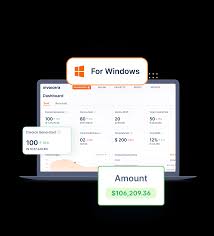
Utilize billing software that can automate the sending of billing reminders to patients for unpaid balances. Reminders can be sent via email, SMS, or through patient portals based on patient preferences.
Segment and Prioritize:
Segment unpaid bills based on factors such as amount owed, patient payment history, and length of time overdue. Prioritize follow-up efforts accordingly, focusing first on larger balances or habitual late payers.
Personalized Communication:
Personalize follow-up communications whenever possible. Address patients by name and reference specific details about their outstanding balance to demonstrate attention and urgency.
Offer Payment Options:
Provide flexible payment options to make it easier for patients to settle their bills. This can include installment plans, online payment portals, or acceptance of credit/debit cards and electronic transfers.
Conclusion
In conclusion, managing medical billing and collections for high deductible health plans requires clear communication, effective use of technology, and a well-defined payment policy. By educating patients, communicating clearly, and following up on unpaid bills, healthcare providers can effectively manage the financial aspects of their practice and provide quality care to their patients.


Recent Comments